Evidence built across grant cycles, not a single season
Compounding returns in educational attainment and community stability, measured over years. Here is what sustained investment actually produces.
Compounding returns, documented
We track third-year program results, sustained graduation rates, and retained mentors — the metrics that take time to appear and matter most to long-term community stability.
83%
71%
6 of 7
Mentor retention rate at year three — compared to a sector average of 44% — sustained through structured support and active partnership.
Community health programs funded in the prior cycle renewed for a second term, with documented family service access maintained or increased.
Secondary school completion rate among scholarship recipients tracked across three consecutive grant cycles.


Retention is the result we measure
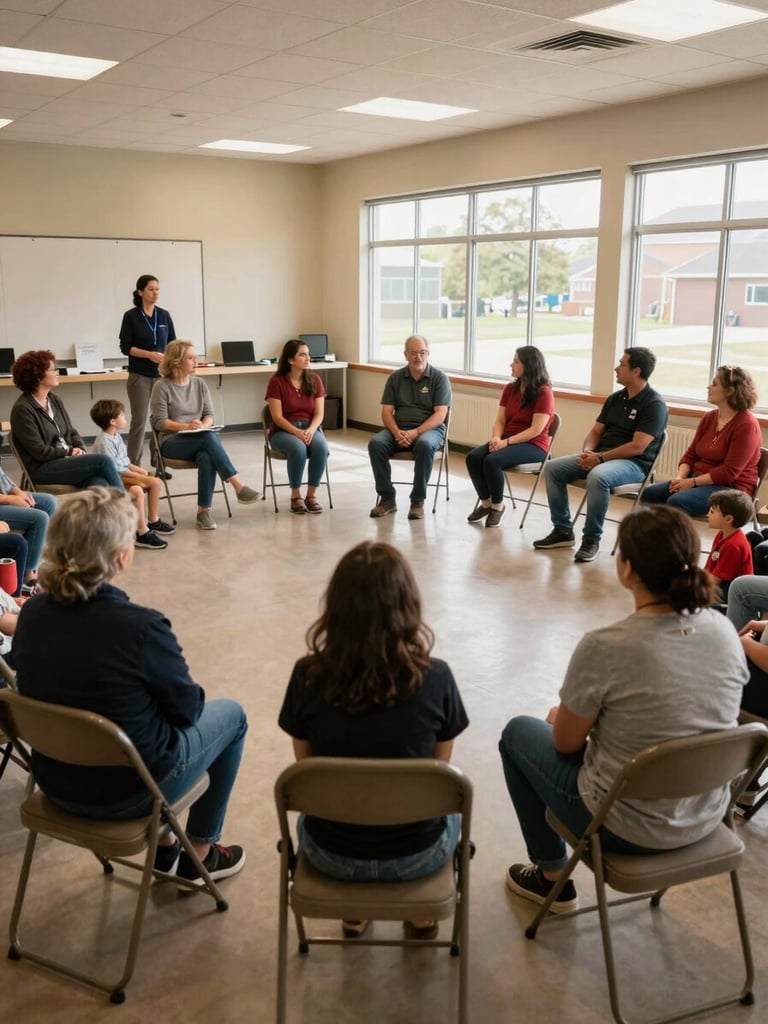
The mentorship program we co-designed with a grantee in year one looked different by year three. Adjusted session structures, new peer cohorts, and a shared data framework produced results the original model couldn't.
We ask hard questions midway through each cycle. Course-correcting in year two is stewardship, not failure.
Families with sustained access, tracked annually
Family support services are only meaningful if they persist. We fund multi-year commitments and measure service continuity — not enrollment numbers alone — because access that disappears after year one is not a system change.
Consistent access to counseling and wellness resources correlates strongly with the educational outcomes we see in the same zip codes.


Better data comes from closer partnership
Arms-length funding produces compliance reports. Collaborative partnerships produce shared learning. We stay in the room — reviewing outcomes, adjusting metrics, and co-designing the next phase alongside our grantees.
Our grants are down payments on systems that outlast any single funding cycle. That requires sustained presence, not a check and a handshake.